- Team Building
- Corporate Events
- Motivation
How to Choose a Team Building Activity: Purpose, Group and Setting
Choosing a team building activity: the purpose, the make-up of the group, physical limits and the setting. How to pick something everyone can join.
- Author
- Seda Mice
- Published
- Reading time
- 3 min read
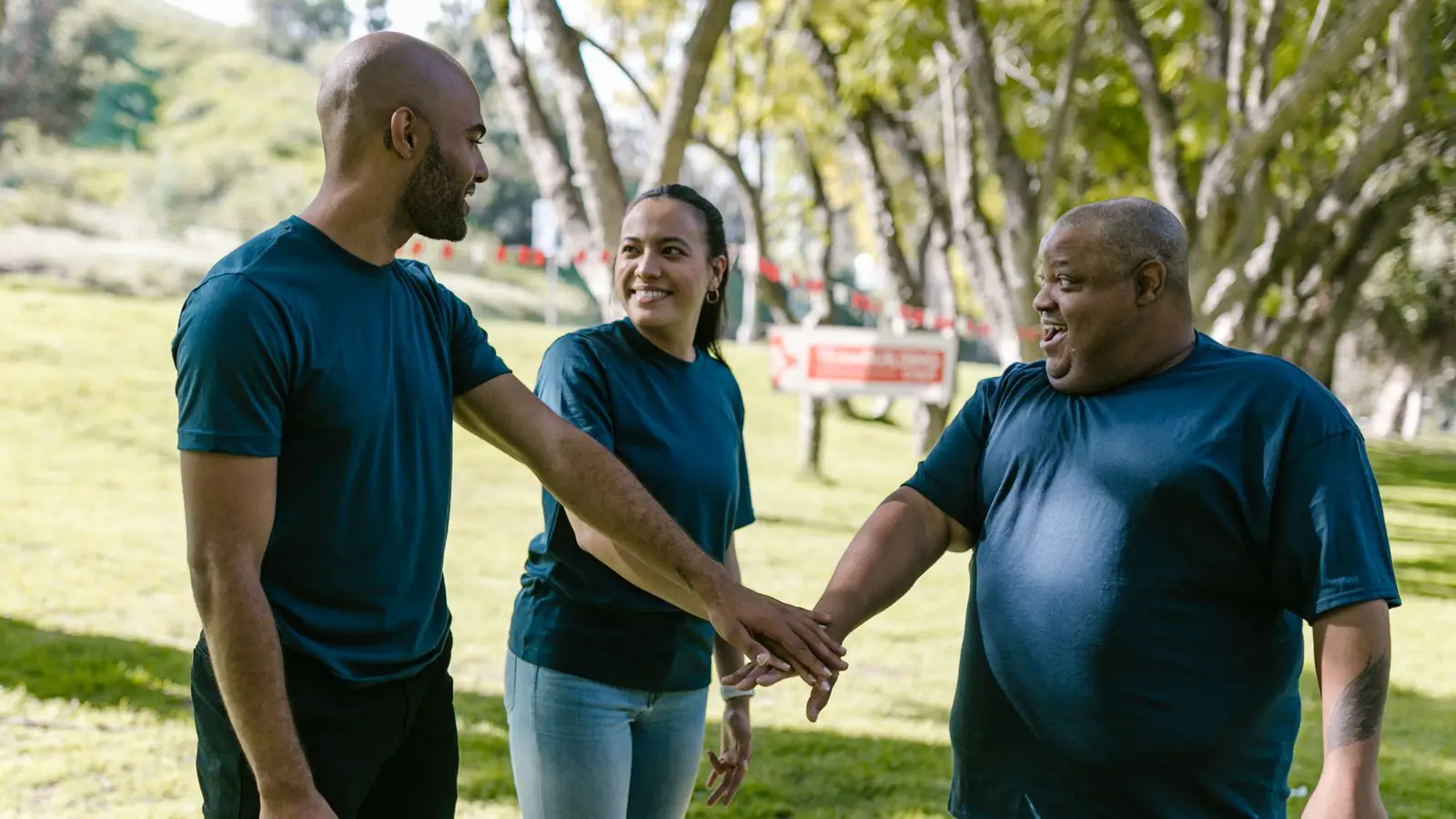
A well-chosen team building day is something a team talks about for months. A badly chosen one leaves some people waiting on the sidelines while others take the competition far too seriously. The difference comes less from the activity itself than from reading the group and the purpose correctly.
What is it for?
Team building does not serve a single aim. In a newly formed team the point is to get to know each other. When two departments merge, it is to mix the two sides. At the end of a demanding period, it may simply be to laugh together and unwind. If the aim is getting acquainted, small-group activities that get people talking work best. If it is to unwind, choose something active and playful.
Rather than picking an activity to "improve communication", think about what you want to see by the end of the day. People from different floors at the same table? Managers competing on equal terms with their teams?
Know the group
Before choosing, we collect this information:
- Number of participants and how they will be split into groups
- Age range and differences in fitness
- Whether anyone is pregnant, injured or has limited mobility
- Cultural and language differences in the team
- Whether the activity sits inside a working day or is part of a trip
An activity not everyone can join creates exclusion, not team spirit. If something physically demanding is chosen, build in roles within the same team that do not need the same effort.
Types of activity and the groups they suit
Making something together. Cooking as a team, creating a piece of art or a design challenge. No physical limits, and it starts conversation naturally.
Outdoor games. Obstacle courses, team games, orienteering. They lift the energy but depend on the weather and need a plan B.
Problem-solving games. Escape-room style puzzles and scenario tasks. In small groups they bring different strengths to the front.
Giving back. Tidying a school garden or planting trees. It gives the team a shared sense of purpose, but has to be arranged in advance with a suitable organisation.
Setting and timing
If the activity is part of an incentive trip or a meeting, the second day works well. On the first day people are tired, and on the last they are thinking about getting home. For anything outdoors, add an indoor alternative to the contract in case of rain.
Keep the activity to two or three hours. Beyond that, interest fades and even the most exciting game becomes tiring.
After the day
The easiest way to make the effect last is to share the photos and a short story about the winning team within a few days. If the activity was part of a meeting, a brief mention in the closing speech also stays with people.
Tell us the size of your team, your aim and the date you have in mind, and we will come back with two or three options. What we take on is on our Corporate Event Organisation page.