- Congress
- Seminar
- Event Planning
Organising a Congress: Venue, Registration and Speaker Planning
When you host your own congress or seminar: room capacity, a registration system, looking after speakers and a session timetable that stays on time.
- Author
- Seda Mice
- Published
- Reading time
- 3 min read
Attending a congress and organising one are very different jobs. A delegate fills in a registration form, books a hotel and buys a ticket. The host is responsible for hundreds of people being in the right room, with the right badge, listening to the right speaker at the same moment. This guide is for the institution running the congress or seminar. For the delegate's side, Seda Turizm has a guide to attending a congress abroad.
Programme first, venue second
Starting the venue search without a draft programme is the most common mistake. How many sessions run in parallel, how many people sit in the main hall, is lunch served, do you need space for posters or sponsors? Without these answers the room you choose will be either too small or half empty.
A draft programme needs only a few facts:
- Number of days and the start and end time of each day
- Number of plenary and parallel sessions
- Expected attendance and the size of the busiest session
- Coffee breaks, lunch and any evening programme
- Exhibition, poster or sponsor space
What to check in a venue
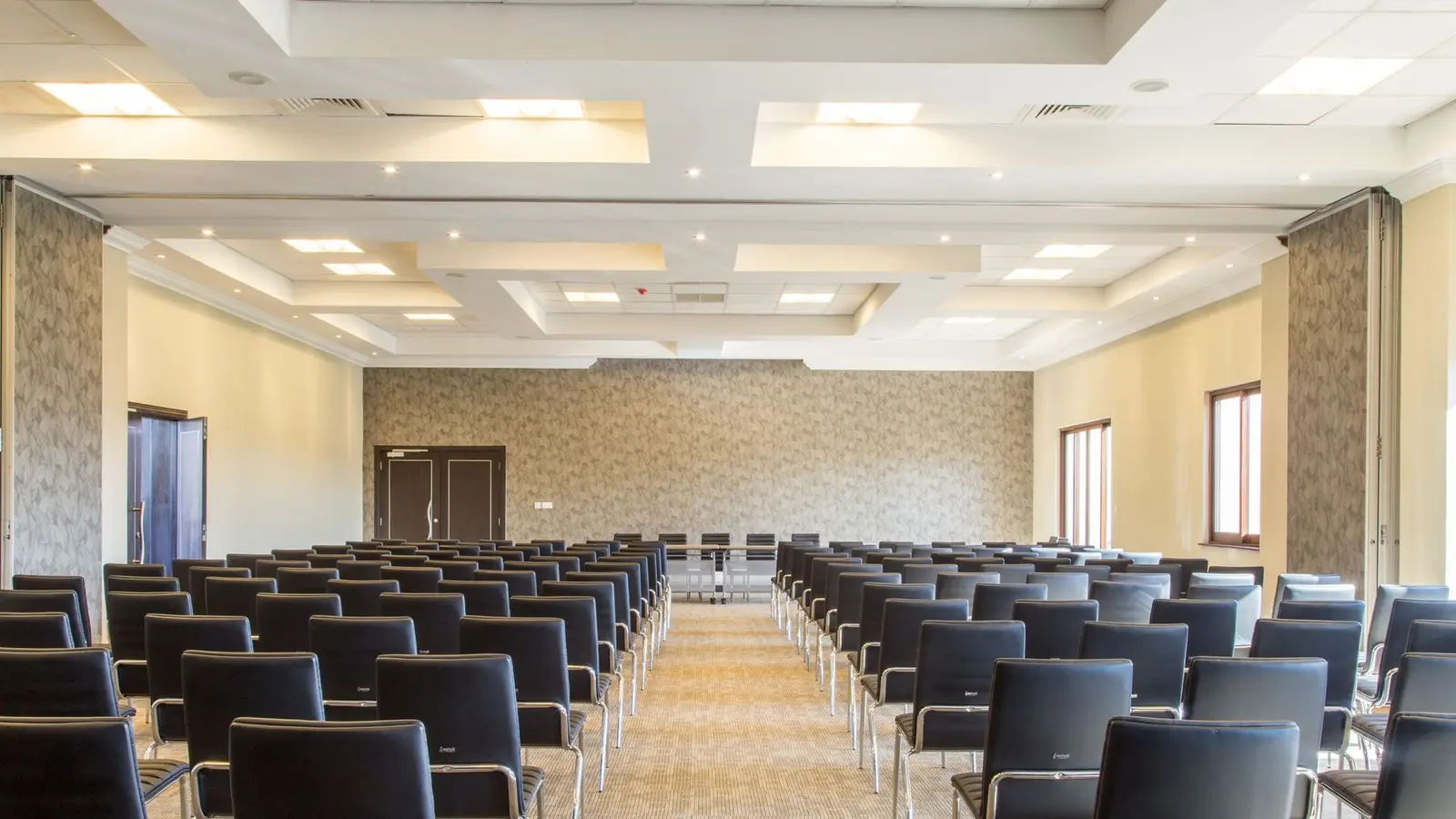
The main hall should seat the busiest session plus about ten per cent in theatre style. Late registrations and guests fill that margin. Breakout rooms should be a short walk from the main hall. Waiting for lifts between floors adds a quarter of an hour to every changeover.
On the technical side, ask early about projector brightness, whether the sound reaches the back row, a separate preparation room for speakers and, if needed, space for interpretation booths. A congress centre inside a hotel puts the rooms and the accommodation in one contract and removes the transport problem.
The registration system
Registration is a delegate's first contact with the congress, and it runs until the last day. A good system keeps everything in one place:
- Delegate details and registration type (early, standard, student, invited)
- Payment and invoice details
- Which sessions and social events they will attend
- Hotel and transfer requests
- How their name and institution should appear on the badge
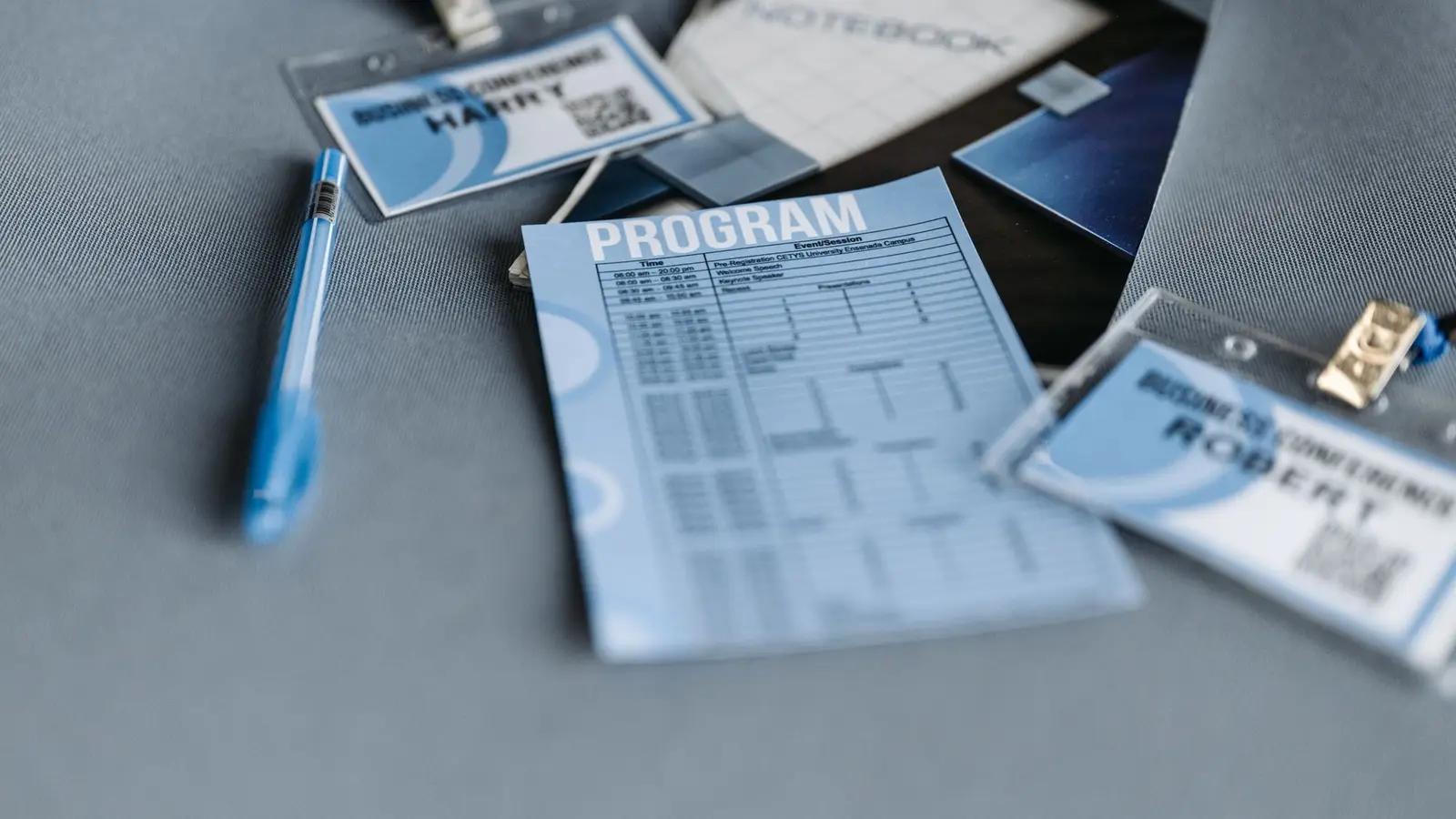
A long queue at the desk on the first morning delays the opening session. Printing badges for pre-registered delegates in advance, sorting them alphabetically and opening a separate desk for on-site registration keeps that queue short.
Looking after speakers
Invited speakers are the shop window of a congress, and usually the people with the tightest diaries. Their flight, hotel, airport pick-up and route to the hall should sit with one named person. Collect presentations at least a day before and test them on the computer in the room. Give each speaker someone who takes them to the hall ten minutes before their session.
For speakers coming from abroad, check visa requirements when you send the invitation. The invitation letter is part of that application.
A timetable with room for delays
Leaving five to ten minutes between sessions stops one delay from spreading across the day. A colleague who reminds the chair of the time, and a countdown screen the speaker can see, keep the programme where it should be.
Send us the dates, the expected attendance and the session plan, and we will come back with venue options and a registration plan. More detail is on our Congress and Seminar Organisation page.